Source breathable rip stop sports bra for Gym, Yoga, Cycling
Compare 30 options for breathable rip stop sports bra designed for women. These items feature wire-free support, quick-drying fabric, and customizable logos suitable for fitness, gym, and yoga activities.
Key considerations
Products List


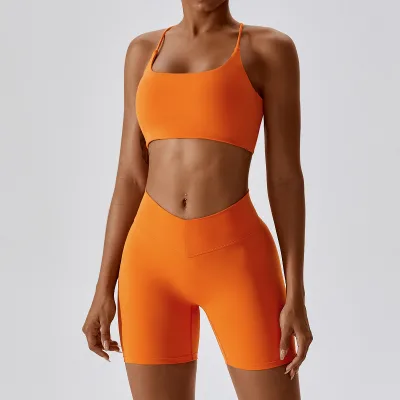


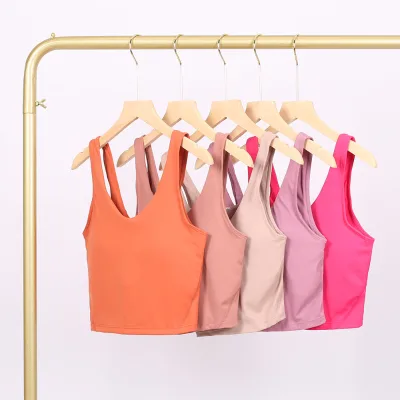

Comprehensive Sourcing Guide
Strategic Sourcing Guide for Breathable Rip Stop Sports Bras
Understanding Technical Specifications and Material Composition
When sourcing a breathable rip stop sports bra, the primary objective is to balance structural integrity with high-performance airflow. The term "rip stop" typically refers to a specific weaving technique designed to prevent tears from spreading, which is critical for high-intensity activities. However, in the context of the current market data for sports bras, the material composition often leans heavily toward synthetic blends that offer moisture management and elasticity. The supplied facts indicate that materials such as Polyester, Spandex, Nylon, and Nylon/Spandex blends are prevalent in this category. Polyester is frequently cited for its durability and quick-drying capabilities, while Spandex provides the necessary stretch and recovery required for a supportive fit.
The "breathable" attribute is a key performance indicator that buyers must verify through fabric construction rather than just marketing claims. The observed product attributes list features such as "Quick-Drying," "Moisture-Wicking," and "Breathable." These properties are often achieved through specific knitting techniques, as noted in the data where "Knitted" is listed as a primary technic. Unlike woven fabrics, knitted structures allow for better air circulation and flexibility. Buyers should look for products that explicitly state the use of these knitting methods to ensure the fabric can handle the thermal load of activities like cycling, fitness, and track and field. The presence of "Anti-UV" and "Anti-Static" features in the product specifications further suggests that the fabric treatment is designed for outdoor and high-friction environments.
It is crucial to distinguish between the "rip stop" terminology and the actual fabric construction observed in the supply chain. While the core keyword emphasizes rip stop, the available data highlights "Knitted" as the dominant technique. This suggests that the "rip stop" functionality may be integrated into the knit structure or that the buyer should specifically request a rip-stop weave if that is a non-negotiable requirement. The standard fabric composition for these items often includes a mix of Nylon and Spandex, which offers a soft hand feel and superior shape retention. The "Full Cup" shape and "Wire Free" support mentioned in the attributes indicate that the structural support comes from the fabric tension and the cut of the garment rather than underwires, which aligns with the "Sports" style classification.
Compliance, Certification, and Standard Verification
In the B2B procurement of athletic wear, compliance and certification are often the most ambiguous areas without direct supplier verification. The supplied context mentions "GOTS" and "OEKO-Tex" under a low-confidence background section, explicitly noting that these should not be used for concrete claims. This distinction is vital for buyers. While these certifications are highly valued in the sustainable and safety-conscious apparel market, their presence cannot be assumed for any specific product listing based on the provided data. Buyers must treat these as verification targets rather than inherent features.
The "prod_standard" attribute in the data is listed as "Customized" or "According to Your Requirements." This indicates that the manufacturer is flexible but does not adhere to a single, universal standard for all their products. For a buyer, this means that the compliance framework must be defined during the initial negotiation phase. The "Standard" section of the data also references "S to xxxl" as a standard, which is a sizing standard rather than a quality or safety certification. Therefore, the procurement strategy must involve a clear request for specific test reports regarding chemical safety, flammability, and colorfastness.
Buyers should verify if the supplier can provide documentation for specific chemical restrictions, such as REACH or CPSIA, depending on the target market. The "Customized" nature of the logo and the "Any Pantone Color Is Avaliable" attribute suggest that the dyeing process is a significant variable. Different dyeing methods can impact the environmental compliance of the final product. Since the data does not confirm the use of GOTS or OEKO-Tex, the buyer must explicitly request these certifications if they are a requirement for their brand. The absence of confirmed certification data in the supply chain facts necessitates a rigorous supplier audit process to ensure that the "Quick-Drying" and "Breathable" claims are not achieved through non-compliant chemical treatments.
Cost Drivers and Pricing Dynamics
The pricing landscape for breathable sports bras is influenced by a complex interplay of material costs, customization levels, and order volume. The observed listed price range in the market data is $0.99 to $16.90 USD. This wide variance suggests that the final price is highly dependent on the specific configuration of the product. At the lower end of the spectrum, prices likely reflect basic models with standard materials like Polyester and minimal customization. The upper end of the range likely accounts for premium blends like Nylon/Spandex, advanced features such as Anti-UV and Anti-Static treatments, and complex customization options.
Material composition is a primary cost driver. The data lists multiple material types, including Polyester, Spandex, Nylon, and Nylon/Spandex. Nylon and Spandex blends generally command a higher price point than pure Polyester due to the superior elasticity and comfort they provide. The "Knitted" technic also adds value compared to simpler weaving methods, as it requires more sophisticated machinery and skilled labor. Furthermore, the "Customization" attribute is a significant factor. The ability to add a "Customized Logo" via "Printing, Embroidery, Heat Transfer, or Sublimation" introduces additional processing steps and costs. The choice of logo application method will directly impact the unit price, with embroidery and sublimation often being more expensive than standard printing.
Order volume, represented by the MOQ range of 1 to 1000 units, plays a critical role in cost optimization. The data shows a flexible MOQ structure, allowing buyers to start with small quantities. However, the unit price will inevitably decrease as the order volume increases toward the 1000-unit mark. The "Separate Plastic Bags and 60-80 PCS Per Carton" packing standard suggests that bulk orders benefit from economies of scale in packaging and logistics. Buyers should negotiate based on the total landed cost, considering that the "Delivery Time" of 7 days for samples and 25 days for bulk production may influence cash flow and inventory planning. The "Customized" standard and "OEM: Customized Accept" attributes indicate that the manufacturer is willing to tailor the production process, which can either increase or decrease costs depending on the complexity of the request.
Typical Applications and Usage Scenarios
The versatility of the breathable sports bra is evident in the diverse range of applications listed in the product attributes. The "Usage" field explicitly mentions "Ball Sports, Cycling, Fitness, Ski, Track and Field," as well as "Fitness, Gym, Yoga." This broad applicability suggests that the product is designed for high-intensity, multi-sport environments where breathability and moisture management are paramount. The "Sports" style and "Wire Free" support make these bras particularly suitable for activities that involve significant upper body movement, such as running, cycling, and high-impact aerobics.
The "Full Cup" shape and "Push Up" features indicate that the product is also designed for aesthetic appeal, catering to consumers who value both performance and style. The "Sexy" feature listed alongside functional attributes like "Body Shape" and "Anti-Static" suggests a dual-purpose design that bridges the gap between athletic wear and casual fashion. This is particularly relevant for the "Fitness Yoga Wear" category, where the transition from the gym to social settings is common. The "Quick-Drying" and "Moisture-Wicking" properties are essential for these applications, ensuring that the wearer remains comfortable during prolonged physical exertion.
For outdoor activities like "Ski" and "Track and Field," the "Anti-UV" feature becomes a critical safety attribute. This suggests that the fabric is treated or constructed to protect the skin from harmful ultraviolet radiation, a necessity for athletes training in open environments. The "Breathable" and "Body Shape" attributes further enhance the suitability of these bras for activities where temperature regulation is crucial. The "Adults" age specification confirms that the sizing and design are tailored for mature consumers, likely focusing on support and fit for a wider range of body types. The "Any Pantone Color Is Avaliable" option allows brands to create specific colorways for different sports teams or fitness clubs, enhancing the product's utility in team-based applications.
Supplier Evaluation and Production Capabilities
Evaluating a supplier for breathable rip stop sports bras requires a deep dive into their production capabilities and flexibility. The data indicates that the "prod_origin" is China, a major hub for textile manufacturing known for its extensive supply chain and competitive pricing. The "Customized" nature of the "prod_standard" and "Logo" suggests that the supplier is capable of handling bespoke orders. However, the "Low-confidence" status of certifications like GOTS and OEKO-Tex means that buyers must verify the supplier's actual compliance capabilities through third-party audits or direct requests for test reports.
The "Delivery Time" of 7 days for samples and 25 days for bulk production is a key metric for supplier evaluation. This timeline indicates a relatively efficient production process, but buyers must ensure that the 25-day bulk lead time is consistent and reliable. The "Shipping" options, including "DHL, FedEx, UPS, TNT, EMS, Air & Sea Shipment," demonstrate that the supplier has established logistics partnerships, which is essential for international procurement. The ability to offer various shipping methods allows buyers to balance cost and speed based on their inventory needs.
The "prod_packing" details, such as "OPP Bag" or "Separate Plastic Bags and 60-80 PCS Per Carton," provide insight into the supplier's attention to detail and packaging efficiency. Buyers should evaluate whether the packaging meets their specific branding and sustainability requirements. The "OEM: Customized Accept" attribute confirms that the supplier is open to Original Equipment Manufacturing, which is crucial for brands looking to develop their own private label products. However, the "Customized" standard also implies that the buyer must provide clear specifications to avoid production errors. The "Fabric: as Your Request" attribute further highlights the supplier's flexibility, but it also places the burden on the buyer to define the exact fabric composition and quality standards.
Quality Control and Long-Term Procurement Strategy
Establishing a robust quality control (QC) framework is essential for maintaining the integrity of breathable sports bras. Given the "Customized" nature of the products, QC must be tailored to the specific requirements of each order. The "Feature" list includes "Quick-Drying," "Breathable," "Body Shape," "Anti-UV," and "Anti-Static." Each of these attributes requires specific testing protocols. For instance, "Quick-Drying" can be verified through moisture absorption and evaporation rate tests, while "Anti-UV" requires testing for Ultraviolet Protection Factor (UPF). The "Knitted" technic necessitates checks for stitch consistency and fabric elasticity to ensure the "Wire Free" support remains effective over time.
Long-term procurement considerations should focus on building a sustainable relationship with the supplier. The "MOQ" range of 1 to 1000 offers flexibility, but buyers should aim to consolidate orders to leverage volume discounts and reduce lead times. The "Standard" of "S to xxxl" indicates a wide size range, which can complicate inventory management. Buyers should consider developing a core size range based on historical sales data to optimize stock levels. The "Color: Any Pantone Color Is Avaliable" feature allows for seasonal color updates, but buyers must manage the complexity of color matching and dye lot consistency.
The "prod_model" variations, such as "ULD-0718153," "NSPB200," and "NSPB201," suggest that the supplier has a diverse product line. Buyers should evaluate which models best align with their brand identity and performance requirements. The "Type: Bra" and "Sportswear Type: Fitness Yoga Wear" classifications help in narrowing down the selection. For long-term success, buyers should establish a clear communication channel for feedback and continuous improvement. The "Customized Logo" and "OEM" capabilities suggest that the supplier is a partner in the product development process, making it essential to maintain open dialogue regarding design changes and material upgrades.
Final Procurement Considerations and Risk Mitigation
The final stage of procurement involves mitigating risks associated with the "Customized" nature of the products. The "Low-confidence" background regarding certifications like GOTS and OEKO-Tex highlights the need for due diligence. Buyers should not rely on general claims but must request specific documentation for every batch. The "prod_standard" being "Customized" means that the quality benchmarks are set by the buyer, making it imperative to define these standards clearly in the purchase agreement.
The "Delivery Time" of 25 days for bulk production is a critical factor in supply chain planning. Buyers should build buffer time into their inventory schedules to account for potential delays. The "Shipping" options provide flexibility, but buyers should consider the environmental impact of air freight versus sea freight. The "Separate Plastic Bags" packaging, while practical, may not align with sustainability goals. Buyers should explore options for eco-friendly packaging materials if this is a brand priority.
In conclusion, sourcing breathable rip stop sports bras requires a balanced approach that combines technical verification, compliance checks, and strategic supplier management. The wide range of materials, features, and customization options offers significant opportunities for differentiation, but it also demands a rigorous procurement process. By focusing on the specific attributes listed in the data and maintaining a proactive stance on quality and compliance, buyers can successfully navigate the complexities of the sports bra market and deliver high-quality products to their customers.
FAQs
What materials are used for breathable rip stop sports bras?
These bras typically use Polyester, Spandex, Nylon, or Nylon/Spandex blends. The knitted technic allows for better air circulation compared to woven fabrics, ensuring the fabric handles thermal load during high-intensity activities.
Can I get custom logos on these sports bras?
Yes, customization is available with options for printing, embroidery, heat transfer, or sublimation. The standard allows for any Pantone color, and the logo can be customized according to your specific brand requirements.
What is the lead time for bulk production?
The delivery time is 7 days for samples and 25 days for bulk production. This timeline applies to the standard manufacturing process, though specific customization requests may require additional coordination with the factory.
Which certifications are available for these products?
The product standard is listed as customized or according to your requirements. While GOTS and OEKO-Tex are mentioned in background contexts, they are not confirmed as inherent features and must be verified through direct supplier audits.
How does the pricing vary for these bras?
The observed price range is between 0.99 and 16.9 USD depending on material and customization. Lower prices reflect basic Polyester models, while higher costs account for Nylon/Spandex blends and complex logo application methods.
What is the minimum order quantity for these items?
The MOQ range spans from 1 to 1000 units, offering flexibility for different order sizes. Bulk orders often benefit from economies of scale in packaging, which is typically separate plastic bags with 60 to 80 pieces per carton.
Are these bras suitable for outdoor sports activities?
Yes, they feature Anti-UV and Anti-Static properties suitable for outdoor use. The usage list includes ball sports, cycling, skiing, and track and field, ensuring protection and comfort during various high-intensity physical activities.